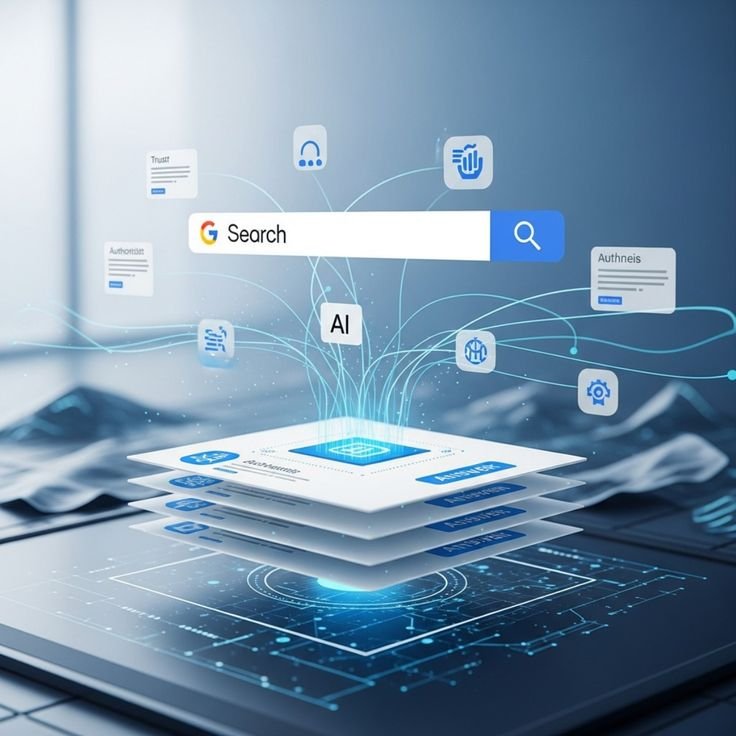
For more than two decades, businesses have focused heavily on ranking on Google through Search Engine Optimization (SEO). Appearing on the first page of search results became the ultimate goal for marketers and website owners. However, the digital landscape is rapidly evolving.
Today, consumers are increasingly turning to AI-powered platforms and assistants to find information, compare products, and make purchasing decisions. Instead of typing keywords into search engines, users are asking conversational questions to AI tools and expecting instant, personalized answers.
This shift means businesses can no longer rely solely on traditional Google rankings. To remain visible and competitive, companies must optimize for AI search alongside conventional SEO strategies.
The Rise of AI Search
AI search refers to search experiences powered by artificial intelligence that provide direct answers rather than simply displaying a list of websites.
Modern consumers now ask questions such as:
- “What is the best CRM software for small businesses?”
- “Which digital marketing agency is best for local businesses?”
- “What are the best SEO strategies for 2026?”
Instead of browsing through multiple pages of search results, users often receive a summarized answer generated by AI systems.
This represents one of the biggest changes in online search behavior since the launch of traditional search engines.
How AI Search Differs from Traditional Google Search
Traditional search engines display a list of links and allow users to choose which websites to visit.
AI search works differently:
- It understands natural language queries.
- It provides direct and conversational answers.
- It summarizes information from multiple sources.
- It prioritizes authority, accuracy, and context.
- It often reduces the need for users to click multiple websites.
Businesses that fail to adapt may experience reduced visibility even if they rank well on Google.
Why Businesses Need AI Search Optimization
1. Consumer Behavior is Changing
Users increasingly prefer conversational searches rather than short keyword phrases.
Instead of searching:
“best laptop 2026”
People now ask:
“What’s the best laptop for graphic design under $1,500?”
Businesses must create content that answers real customer questions in a natural and detailed way.
2. AI Assistants Influence Buying Decisions
AI-powered tools are becoming trusted advisors for consumers researching products and services.
When AI assistants recommend brands, products, or service providers, businesses that are not visible in these responses may lose valuable opportunities.
3. Traditional SEO Alone is No Longer Enough
Ranking on Google remains important, but businesses should also focus on becoming a trusted source that AI systems can reference and understand.
The future belongs to companies that combine traditional SEO with AI visibility strategies.
4. Zero-Click Searches Are Increasing
Many users now receive answers directly on search pages or through AI assistants without clicking on websites.
This trend is known as “zero-click search.”
Businesses need to structure their content so it can be easily understood and cited by AI systems.
5. Early Adoption Creates Competitive Advantage
Businesses that start optimizing for AI search today can gain an advantage before competitors fully adapt to this new environment.
Early movers often establish authority that becomes difficult for competitors to overcome later.
How Businesses Can Optimize for AI Search
Create Helpful and Comprehensive Content
AI systems prioritize content that genuinely answers user questions.
Focus on:
- Detailed guides
- Frequently asked questions
- Step-by-step tutorials
- Industry insights
- Expert opinions
Use Conversational Language
Write content the way people naturally speak and ask questions.
For example:
Instead of:
“SEO services company benefits”
Use:
“How can SEO services help my business grow?”
Build Topical Authority
Publishing multiple high-quality articles within your industry helps establish expertise and trustworthiness.
Businesses that consistently provide valuable information are more likely to be referenced by AI systems.
Optimize Structured Data
Schema markup helps search engines and AI systems better understand website content.
Structured data improves the chances of content being featured in search summaries and AI-generated responses.
Improve Website Experience
Fast-loading pages, mobile responsiveness, and clear navigation improve user experience and increase credibility.
Technical performance remains an important ranking factor for both traditional and AI-driven search systems.
Demonstrate Expertise and Trust
AI systems favor content from credible sources.
Businesses should showcase:
- Author expertise
- Customer testimonials
- Case studies
- Industry certifications
- Original research
Trust is becoming one of the most valuable digital assets.
The Future of Search
The future of search will not belong exclusively to Google or AI platforms. Instead, businesses will need strategies that support both ecosystems.
Traditional SEO will continue driving organic traffic, while AI optimization will improve visibility in conversational search experiences and AI-generated recommendations.
Companies that adapt to both will be better positioned for long-term success.
Conclusion
The digital marketing landscape is entering a new era. Consumers are moving from keyword searches to conversations with AI assistants, and businesses must evolve accordingly.
Optimizing only for Google is no longer enough.
Businesses that invest in AI search optimization, create valuable content, build authority, and embrace conversational search will have a significant advantage in the years ahead.
The future belongs to brands that are discoverable not only by search engines but also by intelligent systems that help consumers make decisions every day.